All Categories
Featured
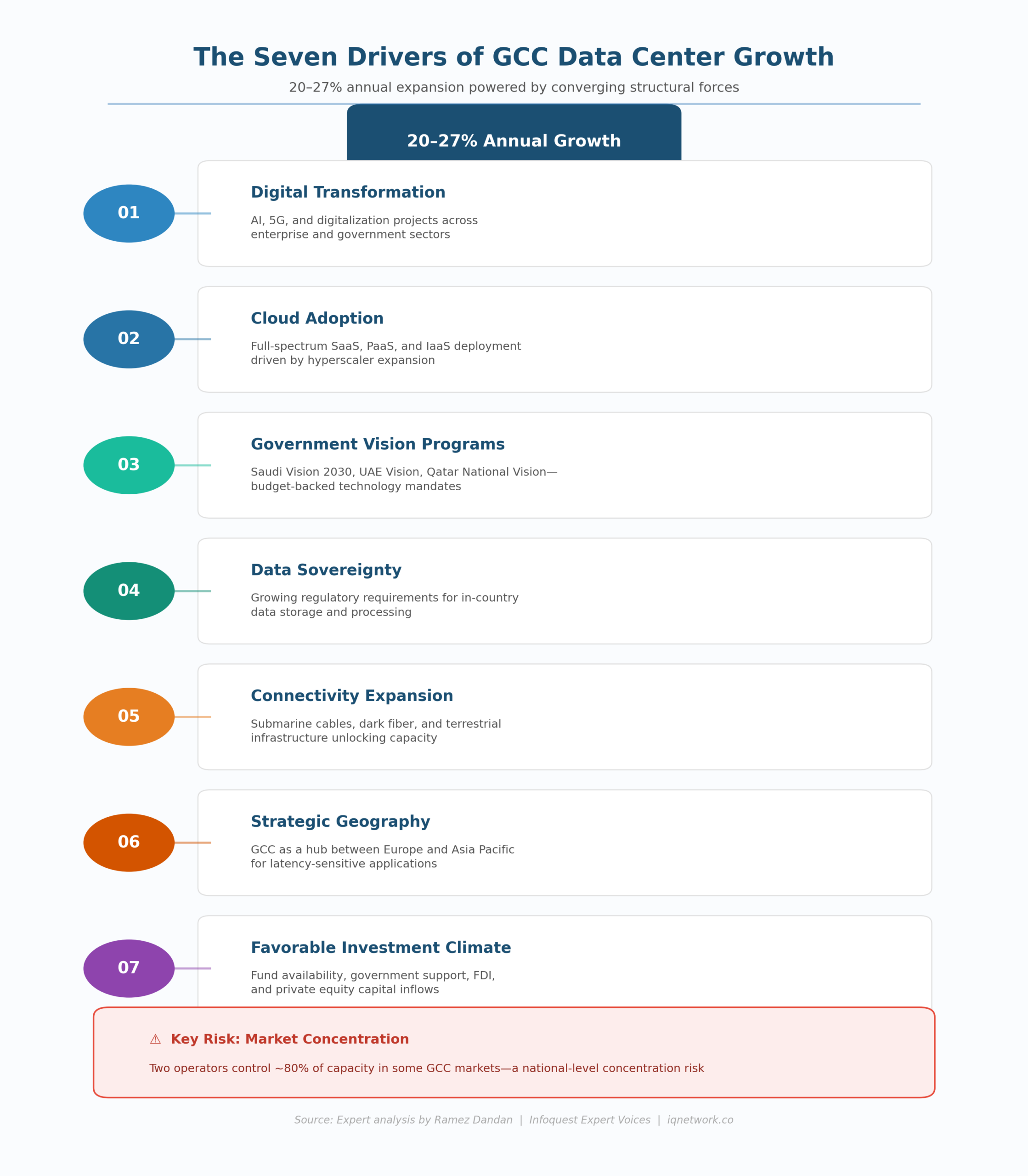

Why Digital Shift Will Fuel Growth?
Table of Contents
Discover what makes Technique & Middle East unique and exciting. Our people work carefully with clients on their toughest difficulties and construct lifelong relationships along the method. Welcome innovation and drive modification with a group that values your special perspective. Collaborate with industry leaders to develop services that have long lasting effect.
We are a global strategy consulting organization ready to provide your best future. For us, everything begins with our individuals. Our individuals create winning techniques for our customers every day and assist them attain their next huge idea. Our reach is global, however our home is the Middle East. As the longest-serving management consulting organization, we have a proud history in the region built on a 100-year tradition.
Discover how Strategy & can assist your business change today and construct your perfect tomorrow. Market Business Consulting and Provider Business size 501-1,000 workers Head office Middle East, - Type Independently Held Founded 1914 Specializeds agriculture and food, air travel, construction, consumer markets, energy, resources and sustainability, financial services, federal government and public sector, health markets, media and home entertainment, movement, genuine estate, innovation, telecommunications, travel and tourism, maritime, aerospace, area and defence, and multisector investment.
Remote work has actually moved from novelty to need. What started as an emergency response during the pandemic is now embedded in how international enterprises hire, maintain, and protect talent. For Middle East-based companies, specifically those running in an environment of increased geopolitical unpredictability, the capability to decouple work from a repaired location is no longer simply an HR perk; it's a core durability method.

Some Middle Eastern groups have actually reacted to current conflicts by transferring entire groups to Asia, with initial short-term relocations becoming long-term for some workers, who now think twice to return and consider moving in other places. This new patternrapid group relocations, followed by individual onward movesis screening tax and regulatory structures that were never ever created for it.
Enterprise Agility in the Evolving GCC Market
Tax treaties, social security coordination rules and business tax principles such as long-term establishment were established around that paradigm. Middle Eastern international business are now handling something extremely various: Groups moved at brief notification from the Gulf to Asia or Europe "for a couple of months"People who then pick to stay on or transfer again, often without a formal assignmentCore functions such as financing, IT, trading, and danger unexpectedly being carried out outside the area, sometimes without a clear proof.
Existing rules often assume cross-border work is deliberate and managed, but that's increasingly not the case. The recent experience of Middle Eastheadquartered groups illustrates the issue in extremely useful terms and exposes the limits of the present OECD Design Tax Convention structure. In reaction to the local instability and armed dispute, some companies moved a large part of their labor force to "safe harbor" countries in Asia or Europe, often under informal internal guidance instead of official task letters.
With unpredictability on the ground, short-lived work arrangements were extended. Some workers chose not to return and explored relocating to other centers or employers without clear timelines or tax preparation. Business tax and movement groups need to then retroactively evaluate tax residence changes, possible irreversible establishment development under local rules, income sourcing throughout jurisdictions, and relevant social security systems.
Core choice making or income producing activities performed from a host nation can support a long-term facility claim by regional tax authorities, especially where whole functions have been transferred. The MTC Commentary, while clarifying when an office or remote working plan might make up an irreversible establishment, still leaves substantial judgment calls where "short-lived" relocations become semi permanent.
Key Shifts in the Future GCC EconomyHow Analytics Shapes GCC Enterprise Vision
Employees who prepared quick stays might unintentionally meet residency guidelines abroad, running the risk of dual home and complex treaty tiebreaker tests. The MTC Commentary provides assistance, but applying "center of essential interests" during emergency situation relocations stays uncertain. Rewards, incentives, and equity earned throughout relocations typically need allotment across countries, with payroll and reporting responsibilities in each.
Regional or cross-border transfers can leave staff members in between systems when pension and benefits do not match their work pattern. Given that social security depends upon separate bilateral contracts, the MTC doesn't provide direct solutions. KPMG's study programs that tax authorities interpret the revised MTC Commentary on home-office permanent establishment in a different way. In AsiaPacific and the Middle East, decisions often depend on particular scenarios rather than the official assistance, with little harmony.
From a policy perspective, Middle Eastexposed multinationals progressively must have: Clearer guardrails for remote and transferred teamsincluding specific "low threat" activities that won't, by themselves, produce a taxable presence, and practical examples in the MTC Commentary that show emergency situation movings rather than just prepared remote work. More reliable home tie breakers for workers who spend extended durations in several countries due to security or geopolitical concerns, instead of career-driven moves.

Latest Posts
Corporate Strategy for GCC Leadership
How Is Operational Excellence Essential for 2026 Growth?

Emerging Strategic Shifts Defining the 2026 GCC Economy